
Modernizing Motor Control Centers for Industry 4.0
- February 12, 2026
- Posted by: Salman
- Category: Industrial Panels
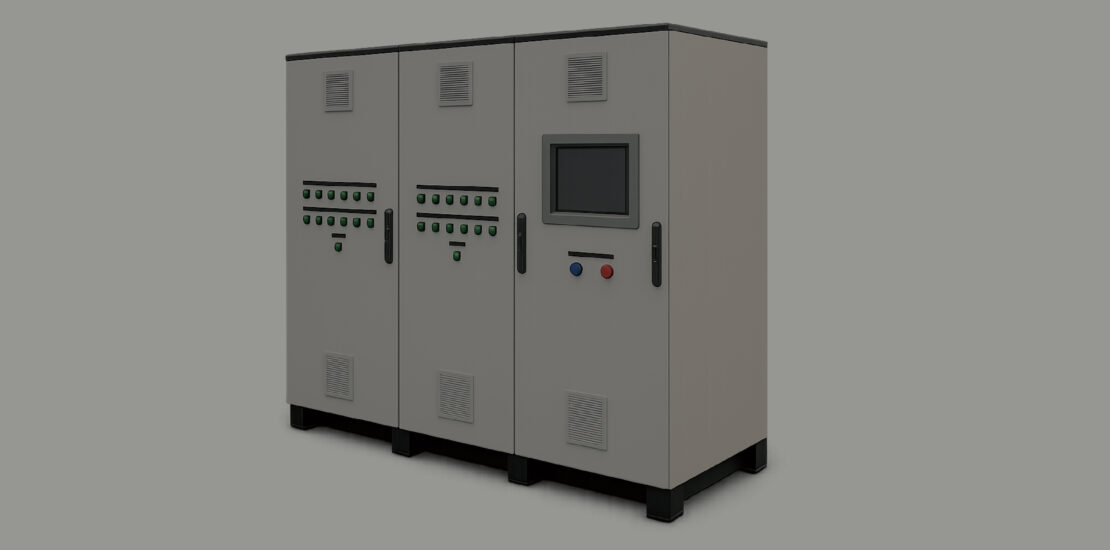
Motor Control Centers (MCCs) have long been the backbone of industrial motor operations — centralizing the control, protection, and monitoring of multiple motors in a single, organized system. But in the age of Industry 4.0, traditional MCCs are no longer enough.
At Pinnacle Power and Controls, we’ve seen how today’s industrial facilities — from mining operations and manufacturing lines to power generation plants — require smarter, more connected control systems that can support real-time data visibility, predictive maintenance, and scalable automation. This is where intelligent MCCs, or iMCCs, come in.
In this guide, we’ll explore how Motor Control Centers are evolving to meet the demands of digital transformation, what features define a smart MCC, and how engineers can begin modernizing their legacy systems for a more efficient, safer, and data-driven future.
Whether you’re operating a plant in a remote location or managing high-density motor loads in a production facility, understanding the technologies driving MCC modernization is critical for uptime, safety, and energy performance.
What is an Intelligent Motor Control Center (iMCC)?
As industrial operations grow more complex and digitally connected, the traditional Motor Control Center is evolving into something far more powerful: the Intelligent MCC (iMCC).
An iMCC integrates advanced technologies such as programmable logic controllers (PLCs), networked communication protocols, real-time monitoring, and smart protection devices — all within the standard MCC architecture. Unlike conventional MCCs that rely on manual operation and offer minimal data visibility, intelligent MCCs serve as a connected, data-rich nerve center for managing motors across your facility.
In essence, iMCCs are not just control panels — they are data hubs, diagnostic tools, and automated control systems that support the digital goals of Industry 4.0, smart manufacturing, and IIoT-driven maintenance strategies.
Core Components of an iMCC
Modern intelligent MCCs combine traditional components (like contactors and overload relays) with digitally integrated systems that allow for real-time control and analysis.
Key iMCC Components:
- Programmable Logic Controllers (PLCs): Central control processors that automate motor operations and communicate with plant SCADA/IoT systems.
- Smart Overload Relays & Starters: Provide real-time current/voltage data, thermal protection, and fault diagnostics.
- Communication Modules (Ethernet/IP, Modbus TCP): Enable integration with industrial networks and cloud-based dashboards.
- Human-Machine Interfaces (HMIs): On-panel screens or remote interfaces for operators to view status, alarms, and control settings.
Example: Pinnacle Power and Control custom MCCs often feature built-in PLCs with Ethernet/IP communications, allowing seamless integration into both legacy and modern SCADA systems.
Traditional vs. Intelligent MCC – Key Differences
Let’s break down how intelligent MCCs compare with traditional systems:
| Feature | Traditional MCC | Intelligent MCC |
| Motor Control | Manual/local only | Automated, programmable |
| Data Availability | Minimal to none | Real-time performance + diagnostics |
| Remote Access | Not available | Full remote monitoring/control |
| Fault Detection & Alerts | Manual troubleshooting | Automated fault logs, alarms, and diagnostics |
| Integration | Standalone | Networked to SCADA/PLC/IIoT |
| Maintenance Approach | Reactive | Predictive/Condition-based |
Insight: With iMCCs, engineers don’t just control motors — they gain full visibility into motor health, efficiency, and performance across the plant.
Why MCC Modernization Matters in Heavy Industries
In high-demand industrial environments — like mining, oil & gas, and power generation — downtime, inefficiency, and maintenance delays can cost thousands per minute. Yet many facilities still operate with aging MCCs that were never designed to support the data-driven needs of today’s industrial automation systems.
Modernizing your Motor Control Center is not just a tech upgrade — it’s a strategic move to align with safety standards, energy goals, and the demands of digital transformation.
Increased Downtime Risks from Legacy MCCs
Older MCCs, typically built before the rise of IIoT and smart control devices, present several operational risks:
- Limited Fault Detection: With no built-in sensors or alarms, identifying motor faults is reactive and time-consuming.
- Manual Inspections: Technicians must physically inspect each motor starter, which increases labor costs and introduces human error.
- No Remote Access: Troubleshooting requires on-site presence, delaying response during critical failures.
- High Energy Waste: Fixed-speed starters run motors inefficiently, regardless of load.
Example: A mining facility relying on a 20-year-old MCC experienced three hours of unplanned downtime due to a fault that could have been flagged by smart diagnostics in a modern system.
Modern Requirements for Industrial Facilities
Today’s industrial plants operate under a different set of expectations:
- Real-Time Data Visibility: Engineers expect live motor health metrics to prevent downtime.
- Remote Diagnostics & Control: In geographically dispersed or hazardous environments, remote access is critical for safety and speed.
- Scalability: As plants add more motors or automated equipment, MCCs must scale. Modular iMCCs support this with a flexible bucket architecture.
- Compliance: Standards like UL 845 and NFPA 70E mandate electrical safety, arc-flash mitigation, and labeling that old MCCs often can’t meet.
Modern MCCs designed by Pinnacle Power and Control include arc-flash-rated construction, smart motor protection, and built-in communications — making them compliant by default and scalable for future expansion. Before you select a modernization partner, it’s worth revisiting the basics with our MCC vendor checklist.
Aligning with Digital Transformation Goals
Modern MCCs are more than motor controllers — they are enablers of Industry 4.0 initiatives such as:
- Predictive Maintenance Programs
- Digital Twin Modeling
- Cloud-Based OEE Dashboards
- Energy Optimization Campaigns
By upgrading, heavy industry engineers create the infrastructure needed for these next-gen capabilities without a full system overhaul.
How IIoT is Transforming MCC Functionality
The Industrial Internet of Things (IIoT) is revolutionizing how engineers monitor, manage, and maintain motor systems in heavy industries. Traditional MCCs were blind to motor behavior beyond basic overloads — but today’s intelligent MCCs are networked, data-driven, and proactive.
By embedding smart sensors, network protocols, and analytics software into the MCC architecture, facilities can transition from reactive maintenance to predictive strategies, reduce unplanned downtime, and gain real-time insights into motor health across large, complex sites.
Real-Time Monitoring and Alerts
IIoT-enabled MCCs collect and transmit live data on every motor starter, drive, and circuit. Engineers can access this data via:
- Local HMI panels
- SCADA systems
- Cloud dashboards or mobile apps
These systems monitor variables like:
- Motor temperature
- Current and voltage draw
- Power factor
- Vibration and runtime hours
Example: In a manufacturing plant running critical pumps 24/7, Pinnacle Power and Control installed smart MCCs with temperature sensors that alerted technicians of abnormal heat trends — allowing them to replace a failing bearing before a shutdown occurred.
Predictive Maintenance Enabled by Smart MCCs
One of the most valuable benefits of IIoT in MCCs is condition-based maintenance. Rather than relying on fixed maintenance intervals, engineers can:
- Detect motor wear patterns
- Track anomalies (like harmonic distortion or voltage imbalance)
- Use historical data trends to forecast failures
These capabilities feed directly into CMMS systems or trigger alerts through SCADA, improving asset reliability and lowering maintenance costs.
According to industry research, predictive maintenance can reduce equipment breakdowns by up to 70% and maintenance costs by 30% — gains that start with data-rich control systems like iMCCs.
Cloud and Edge Integration in MCCs
Modern MCCs often use edge gateways and cloud platforms to store and analyze large volumes of motor performance data. This allows:
- Remote diagnostics by off-site engineers or OEMs
- Machine learning algorithms to refine performance models
- Fleet-wide visibility across multiple facilities or systems
While edge devices offer fast local decisions (e.g., trip a motor), the cloud provides historical analytics, comparison across assets, and enterprise-level reporting.
Pinnacle Power and Controls supports both architectures — combining Ethernet/IP-enabled MCCs with secure, scalable cloud solutions tailored to industrial cybersecurity requirements.
Key Features of Modern MCCs in Industrial Environments
Modern Motor Control Centers are no longer passive electrical cabinets — they are smart, scalable platforms that integrate deeply with your plant’s operational technology stack. Engineers in mining, power, and manufacturing facilities need MCCs that not only control motors but also improve uptime, efficiency, and visibility.
Below are the most important technical features that distinguish next-generation MCCs from legacy systems, and why they matter in real-world plant environments.
Modular Design & Scalability
Modern MCCs are built with modular bucket architecture, allowing each motor starter, VFD, or protection device to be installed, removed, or replaced as a plug-and-play unit.
Key Benefits:
- Rapid system expansion without redesign
- Simplified maintenance and bucket isolation
- Easier customization for different motor loads (fans, conveyors, pumps)
Example: In a multi-line chemical plant, Pinnacle Power and Controls provided a modular MCC that allowed the client to add 8 new motor circuits over time without touching the core bus system — reducing installation time and panel redesign costs.
Intelligent VFD Integration
Variable Frequency Drives (VFDs) are a cornerstone of energy-efficient and responsive motor control. Integrated into MCC buckets or remote sections, VFDs offer:
- Speed/torque control based on real-time load demand
- Soft starting and stopping (extending motor lifespan)
- Energy savings up to 30% for variable-load motors
- Torque limiting and process control capabilities
Pinnacle Power and Controls MCCs feature VFD-ready designs with pre-engineered heat dissipation paths, overload protection, and remote monitoring of drive behavior.
Note: VFDs also play a crucial role in green automation, contributing to sustainability targets in many industrial ESG programs. For a deeper look at how VFDs and smart MCCs support energy efficiency in motor control, see our dedicated guide for modern industrial plants.
Built-In Diagnostics and Alarm Management
Smart MCCs feature diagnostic modules and digital trip indicators that inform engineers of:
- Overloads, phase imbalance, ground faults
- Over-temperature and internal MCC faults
- VFD trip history and harmonics issues
Diagnostic alerts can be shown on local HMIs, sent to a SCADA system, or logged in a cloud dashboard for trend analysis.
Pro Insight: With remote diagnostics, plant engineers can often resolve issues without opening the MCC panel, reducing arc-flash exposure and improving MTTR (Mean Time to Repair).
Implementation Considerations for MCC Modernization
Upgrading to an intelligent MCC is not just a product decision — it’s a system-level engineering project. From evaluating existing infrastructure to planning integrations and minimizing downtime, each step must be considered with precision.
Below are the key technical and operational factors engineers must evaluate when planning an MCC modernization in a heavy industrial facility.
Site Audit & Electrical Load Assessment
Before specifying or designing a modern MCC, engineers must evaluate:
- Total motor count (and expected growth)
- Load types: constant-speed, variable-speed (VFD), soft-start
- Voltage and amperage levels: typically 480V or medium-voltage (2.4–15kV)
- Control types: local vs. remote, PLC vs. hardwired
- Existing MCC enclosure limitations (size, safety, compliance)
Pinnacle Power and Controls engineers conduct comprehensive load audits to ensure the MCC is built with appropriate bucket types, drive configurations, and fault-handling capacity tailored to your plant’s operational load.
Space Constraints & Footprint Planning
Modern MCCs are modular and scalable, but physical plant constraints still matter. Engineers must assess:
- Panel room size and airflow
- Cable routing (top or bottom entry)
- Arc-flash boundaries and clearance zones
- Panel accessibility for maintenance (NFPA 70E minimums)
- Containerized MCC options for remote or space-limited facilities
Example: For a mining operation with no MCC room, Pinnacle Power and Controls delivered a climate-controlled shipping container MCC, prewired with VFDs and PLCs — ready for drop-in installation and field connection.
Integration with Existing Control Systems
Whether your facility uses SCADA, DCS, or standalone PLCs, integration planning is essential for:
- Tag mapping and signal conversion (e.g., analog/digital I/O)
- Communication protocol alignment (Ethernet/IP, Modbus TCP, Profinet)
- HMI configuration for operator visibility
- Redundancy and failover paths for critical motors
- Cybersecurity and segmented network design (especially with IIoT/cloud access)
Pinnacle Power and Controls provides full documentation and PLC/HMI programming services to ensure MCCs integrate seamlessly into your existing automation environment.
Real-World Use Case: Smart MCC in a Power Generation Plant
Objective: Demonstrate real-world credibility and results. Engineers trust vendors with proven track records. This mini case study builds both EEAT (experience, expertise, authority, trust) and relevance.
Background
A U.S.-based power generation plant operating several high-load centrifugal pumps and cooling fans was experiencing frequent maintenance disruptions. Their legacy MCC, installed over 25 years ago, lacked fault isolation, motor health diagnostics, and remote monitoring — leading to prolonged downtime and rising repair costs.
Challenge
- Unplanned motor failures due to thermal overload and insulation breakdown
- Manual inspections delayed fault identification
- No remote visibility or SCADA integration
- Increasing risk of arc-flash exposure for maintenance staff
Pinnacle Power and Controls Solution
- Engineered & installed a modular intelligent MCC with:
- Ethernet/IP communications
- PLC-controlled buckets for VFD and soft starter circuits
- Smart motor protection relays with predictive fault detection
- Fully integrated HMI for local and SCADA access
- Arc-resistant bucket design per UL 845 and IEEE C37.20.7
- Delivered in a pre-configured enclosure, wired and tested, ready for fast commissioning during a scheduled shutdown.
Results
- 25% reduction in unplanned downtime within 3 months
- Engineers receive real-time alerts for temperature and phase imbalance
- Remote diagnostics eliminated 80% of field walkthroughs
- Faster motor replacement due to the modular bucket system
- Maintenance personnel now work within reduced arc-flash zones
Why Partner with Pinnacle Power and Controls for Intelligent MCC Solutions
Objective: Cement trust and drive next action. Clearly show that Pinnacle Power and Controls isn’t just a vendor — we’re a technical partner with deep expertise, industry experience, and scalable delivery capabilities.
Proven Expertise in MCC Design and Modernization
Pinnacle Power and Controls has delivered hundreds of MCC projects across mining, manufacturing, power, and infrastructure. Our team of electrical engineers, automation specialists, and UL-certified panel builders collaborates directly with plant engineers to design solutions tailored to your electrical and operational needs.
- UL 845-compliant assemblies
- Arc-resistant designs per NFPA 70E & IEEE C37.20.7
- PLC/HMI programming included
- Containerized & modular MCC offerings
Engineer-Focused Process, Not Sales Pitches
We speak your language — torque curves, breaker coordination, fieldbus mapping — and provide:
- Detailed load and integration assessments
- 3D layout drafts before build
- BOM + drawings ready for approval
- On-site support or remote commissioning
Post-Sale Support You Can Count On
From training and documentation to lifecycle support and spare parts — we’re committed to your MCC’s performance long after it’s delivered.
Result: Engineers trust Pinnacle Power and Control because we engineer with their challenges in mind — not just a catalog.
Frequently Asked Questions About Intelligent MCCs
Q1: What is an intelligent motor control center (iMCC)?
An intelligent MCC (iMCC) is a motor control center equipped with smart technologies such as PLCs, sensors, and networked communication protocols. It enables real-time monitoring, automated diagnostics, and remote control of motors — supporting predictive maintenance and seamless integration with plant automation systems.
Q2: What are the main benefits of modernizing an MCC?
Modern MCCs improve operational uptime, reduce energy waste, enhance arc-flash safety, and provide full visibility into motor health. They support modular upgrades, remote diagnostics, and Industry 4.0 initiatives like IIoT and digital twins.
Q3: Can an existing MCC be retrofitted to become “smart”?
Yes — many older MCCs can be retrofitted with smart overload relays, PLCs, communication modules, and remote HMIs. However, safety, footprint, and legacy design constraints may make full replacement more cost-effective in some cases. In many cases, the long-term fit also comes down to whether a standard or custom MCC solution is right for your plant.
Q4: How does an intelligent MCC support predictive maintenance?
An iMCC continuously collects data from motor circuits (e.g., temperature, vibration, current). This data is analyzed locally or in the cloud to detect anomalies, enabling maintenance teams to fix issues before they cause failure — reducing unplanned downtime and maintenance costs.
Q5: What communication protocols do modern MCCs use?
Most intelligent MCCs support industrial protocols such as Ethernet/IP, Modbus TCP, Profinet, or DeviceNet, allowing seamless integration with SCADA, PLCs, and IIoT platforms.
Q6: Are intelligent MCCs more difficult to maintain?
No — intelligent MCCs are typically easier to maintain. Diagnostic alerts, trip history logs, and remote access reduce manual inspections and help maintenance teams respond faster. Modular buckets also simplify part replacement.
Q7: What industries benefit the most from smart MCCs?
Heavy industries such as mining, manufacturing, oil & gas, power generation, and wastewater treatment benefit greatly due to the high motor count, safety risk, and uptime requirements. Smart MCCs support scalable control and predictive analytics in these sectors.
Q8: Is Pinnacle Power and Controls certified to build intelligent MCCs?
Yes — Pinnacle Power and Controls designs and manufactures UL 845-compliant intelligent MCCs tailored to each client’s environment. We offer engineering, layout planning, programming, and post-installation support — including containerized options for remote operations.